 admin
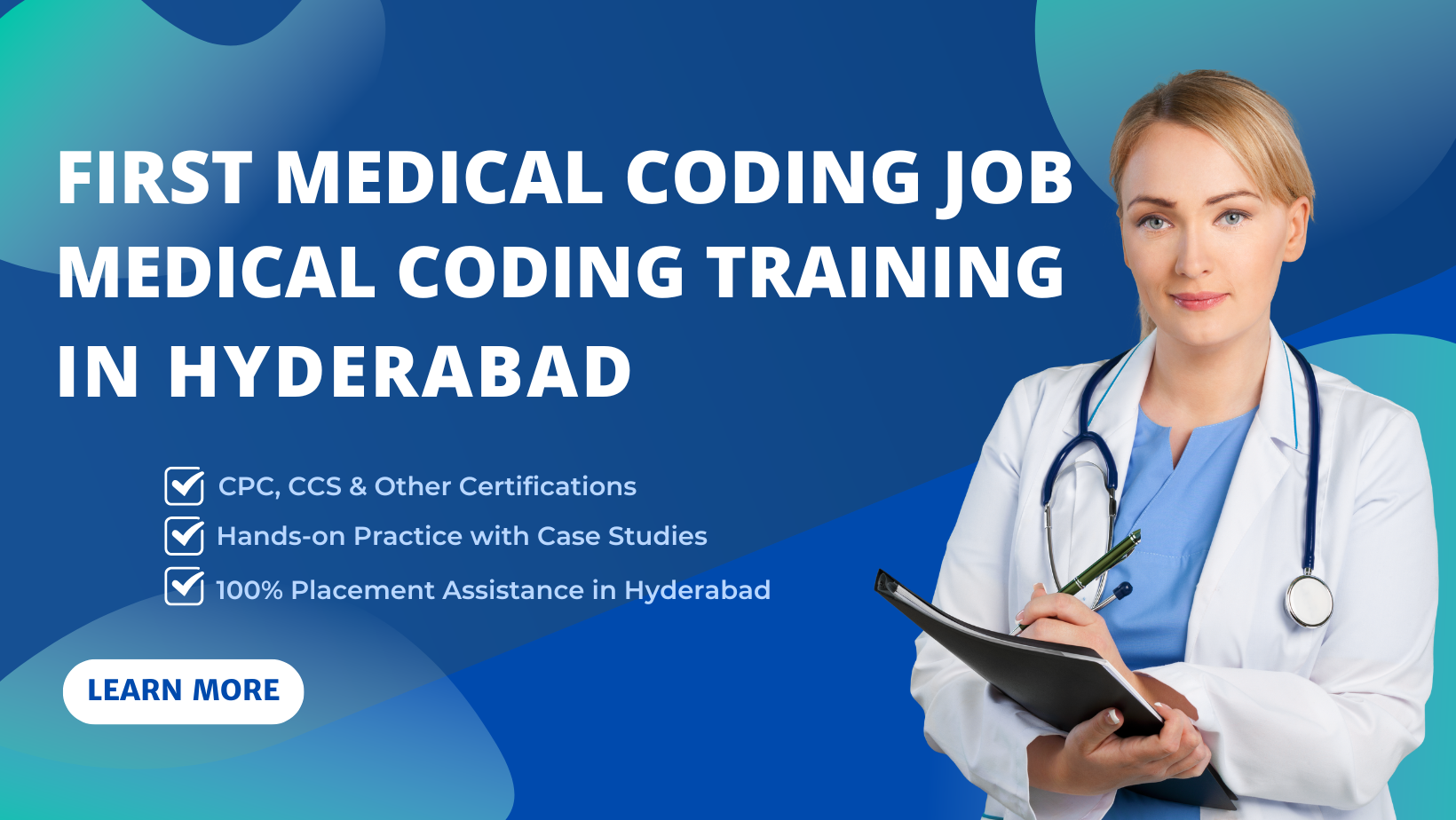
adminThe first step in a career as a medical coder is proper training and preparation. Having just finished a Medical Coding Training in Hyderabad, you are now in a position to take the next big step, which is to step into your first job in the field. As the healthcare industry becomes more dependent on proper coding to bill and comply, certified and well-trained professionals are required. However, a targeted employment search is required for newcomers to enter the industry.
Understand the Job Market for Your First Medical Coding Job
It is essential to know the medical coding job market before immersing in job applications. Employers are looking to hire individuals who are not only familiar with the rules of coding but also well-versed in healthcare documentation, billing, and compliance requirements.
Find out what skills are required in your location of choice. In a case, like within a large healthcare center and city, employers may want specialized coders based on either inpatient or outpatient coding. When searching for a career, be particular about positions that fit your training and skill set.
Earn a Recognized Certification to Land Your First Medical Coding Job
After you have trained and become certified by an organization that is recognized in the field, your chances of getting a job are enormous. Obtaining things such as CPC and CCS will assist in presenting your capabilities. In addition, they will show the employers that you are a current person in that field.
Write a Resume and Cover Letter for Your First Medical Coding Job
Job seekers require a properly organized CV and cover letter. In your resume, you should mention details about your education, knowledge and other hands-on experiences (inside or outside the job like internships or volunteering) in the healthcare sector.
You can also use your cover letter to state the reasons medical coding course would be of interest to you and how your training would make you a good fit in a healthcare place.
Develop a Strong Online Presence
Getting a profile up on places like LinkedIn can really help future employers see you. Just be sure to fill it out all the way – training, certs, what you’re aiming for in your career, the works. To demonstrate your interest in and familiarity with the field, read up on it. You can keep side by side of showcase patterns and work openings by subscribing to affiliations, proficient organizations, and web dialog sheets committed to restorative coding. Organizing with colleagues and prepared experts might lead to work proposals or mentorships.
Apply Strategically
In beginning your job search, you should focus on positions that are aligned with your present skills or capabilities. The basic level jobs can be referred to as a Medical Coding Trainee, Junior Medical Coder, or a Medical Records Clerk.
Have daily or weekly targets of the number of applications you will make and have a log to record the response. Browse job ads, websites of hospitals, staffing agencies, and professional associations.
Prepare for Interviews
Preparation for interviews is very important. Go over typical interview questions for jobs involving medical coding and rehearse your responses. Be prepared to discuss:
- Coursework in your medical coding training program.
- Any coding exercises or case studies you had to work on.
- An understanding of medical terms and the ICD-10, CPT, and HCPCS
- How you keep up with code updates and industry developments.
Stay Updated with Industry Knowledge
Medical practice is a vibrant area and it constantly evolves its codes of conduct, billing policies, and standards of compliance. It is necessary to keep up with these changes, long before you get your first job.
Read industry sales publications, webinars and take part in the opportunities of continued education. By showing that you are aware of the recent changes, you display to potential employers that you are an active and interested person in the profession.
Highlight Transferable Skills
Although you may not have direct work experience, point out transferable skills obtained at other workplaces or in your academic work. Jobs involving medical coding require the use of time management, data entry, attention to detail, and computer abilities with digital technologies.
Did your training program include hands-on instruction or a simulated code environment? In your interviews and applications, be sure to emphasize this.
Connect with Training Institutions for Placement Support
Consider what a good institute can provide in terms of placement assistance, provided that you have undergone your training there. A large number of institutions have contacts with healthcare organizations and can assist in finding graduates employment opportunities.
Indicatively, a Medical Coding Training institute in Hyderabad such as Version IT will provide placement assistance, resume development classes, and interview training. Using these services can greatly contribute to the success in your job search.
Final Thoughts
The ability to get your first job after taking medical coding online training in Hyderabad takes perseverance, planning, and professionalism. Certification, resume optimization, strategic applying and using all resources available such as training institutes and online sites can all make you a good candidate in a competitive job market.
Be confident, patient and proactive and your first shot in the medical coding industry will be within your reach.